






คู่มือการซื้อร่มสวนกลางแจ้ง: ผ้า กรอบ ความต้านทานลม และการปรับแต่ง
โพสต์โดย ผู้ดูแลระบบ
อะไรทำให้ร่มสวนกลางแจ้งที่ดี: คำตอบสั้น ๆ
ร่มสวนกลางแจ้งที่ดีที่สุดสำหรับระเบียงส่วนใหญ่นั้นอธิบายได้ง่าย: หลังคา UPF 50 ทำจากผ้าที่ทนต่อสภาพอากาศ , ก โครง 8 ซี่ที่แข็งแรงพร้อมเสาอะลูมิเนียมหรือไม้เนื้อแข็ง , ก vented or double-layer top if your area gets gusty weather, and a base heavy enough for the canopy size. Color, shape, tilt mechanism, and branding are preferences you can adjust later without compromising safety or service life.
ร่มสวนส่วนใหญ่ใช้ไม่ได้ด้วยเหตุผลสามประการ: ผ้ากันสาดจางและเกิดเชื้อราหลังจากผ่านไปหนึ่งหรือสองฤดูกาล ซี่โครงโค้งงอในช่วงที่มีลมกระโชกแรงครั้งแรก หรือฐานเบาเกินไปที่จะตั้งร่มให้ตั้งตรง แก้ไขปัญหาทั้งสามข้อนี้ในวันแรก และร่มมักจะอยู่ได้นานกว่าเฟอร์นิเจอร์ที่ร่ม
ก่อนที่คุณจะเปรียบเทียบราคา ให้เรียกใช้ผู้สมัครผ่านรายการตรวจสอบด่วนนี้:
- หลังคาที่ได้รับการจัดอันดับ UPF 50 ควรเลือกใช้อะคริลิกย้อมด้วยสารละลายหรือโพลีเอสเตอร์เคลือบ PU
- ซี่โครงอย่างน้อย 8 ซี่ โดยมีเสาอะลูมิเนียมหรือไม้เนื้อแข็งหนาอย่างน้อย 32 มม. สำหรับร่มขนาด 8 ฟุตขึ้นไป
- หลังคาระบายอากาศหรือหลังคาสองชั้นหากร่มตั้งในพื้นที่เปิดโล่งและมีลมแรง
- น้ำหนักฐานตรงกับกันสาด ไม่ใช่ฐานที่ถูกที่สุดในร้าน
- กลไกการเอียงหรือข้อเหวี่ยงที่ตรงกับความถี่ในการปรับร่มในแต่ละวัน
ส่วนด้านล่างจะอธิบายการตัดสินใจแต่ละรายการตามลำดับที่สำคัญ: ผ้าก่อน จากนั้นจึงจัดโครง จากนั้นจึงเป่าลม จากนั้นจึงเลือกขนาด
ผ้ากันสาดและการป้องกันรังสียูวี: ค่า UPF 50 หมายถึงอะไรจริงๆ
หลังคาที่ได้รับการจัดอันดับ UPF 50 ยอมให้รังสีอัลตราไวโอเลตทะลุผ่านได้เพียง 1/50 เท่านั้น ซึ่งหมายความว่าสามารถกันรังสีได้ประมาณหนึ่ง รังสียูวีได้ 98 เปอร์เซ็นต์ . นั่นคือคำจำกัดความมาตรฐานที่ใช้โดยห้องปฏิบัติการทดสอบสิ่งทอระหว่างประเทศ และเป็นระดับที่ร่มในสวนส่วนใหญ่ควรตอบสนองเมื่อจะใช้เป็นเวลามากกว่ามื้อกลางวันสั้นๆ หากคุณวางแผนที่จะนั่งใต้ร่มตลอดช่วงบ่าย หลังคากันสาด UPF 50 ไม่ใช่สิ่งหรูหรา มันเป็นพื้นฐาน
แต่ UPF เป็นเพียงครึ่งหนึ่งของเรื่องราวทั้งหมด หลังคาร่มใช้เวลาหลายร้อยชั่วโมงท่ามกลางแสงแดดโดยตรงตลอดฤดูร้อน และยังโดนฝน ฝุ่น มูลนก และน้ำค้างยามเช้าอีกด้วย ผ้าจะต้องจัดการทั้งหมดนั้นโดยไม่ซีดจางเร็วหรือเกิดเชื้อราขึ้น ในทางปฏิบัติ ร่มในสวนมีให้เลือกใช้วัสดุหลักๆ อยู่ 2 แบบ
หลังคาโพลีเอสเตอร์เคลือบกันน้ำ
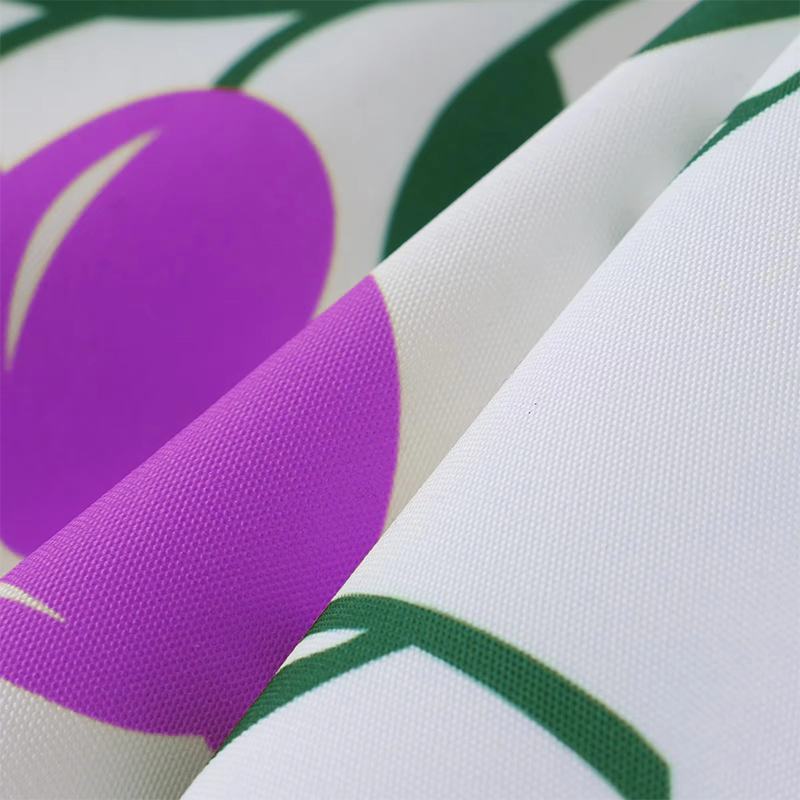
ร่มสวนราคากลางๆ ส่วนใหญ่ใช้โพลีเอสเตอร์เคลือบ PU (โพลียูรีเทน) น้ำหนักผ้าทั่วไปในตลาดมีตั้งแต่ 180 ถึง 220 กรัม/ตร.ม . โพลีเอสเตอร์เคลือบ PU กันฝนได้ดีในฤดูกาลแรก ให้ความรู้สึกเบาเมื่อยกหลังคาขึ้น และรักษาราคาให้สมเหตุสมผล จุดอ่อนของมันคือความคงตัวของสีในระยะยาว: ภายใต้แสงแดดจ้า สีย้อมจะจางเร็วกว่าอะคริลิกที่ย้อมด้วยสารละลาย และสารเคลือบจะบางลงหลังจากการพับ การถู และการสัมผัสรังสียูวีหลายปี
หลังคาอะคริลิกและผ้าใบ
ร่มสวนระดับไฮเอนด์ใช้ผ้าใบอะคริลิกย้อมสีโดยทั่วไป 230 ถึง 280 กรัม/ตร.ม . เนื่องจากเม็ดสีถูกผสมเข้ากับเส้นใยก่อนปั่น สีจึงคงอยู่นานหลายฤดูกาลแม้อยู่กลางแดดจ้า ผ้ามีคุณสมบัติไม่ซับน้ำตามธรรมชาติแต่ยังคงระบายอากาศได้ ดังนั้นความร้อนจึงไม่สะสมอย่างรวดเร็วใต้ร่มไม้ หลังคาผ้าใบเป็นตัวเลือกที่เหมาะสมสำหรับลานบ้านถาวร ระเบียงโรงแรม และร้านอาหารที่ร่มจะต้องดูดีอยู่เสมอเป็นเวลาหลายปี
ทางเลือกที่แน่นอนของคุณขึ้นอยู่กับการติดตั้ง: หลังคาโพลีเอสเตอร์ทนรังสียูวีเป็นตัวเลือกที่คุ้มค่า ในขณะที่หลังคาผ้าใบเป็นทางเลือกที่มีอายุการใช้งานยาวนาน หากต้องการดูรายละเอียดเพิ่มเติมว่าวัสดุแต่ละชนิดมีพฤติกรรมอย่างไรภายใต้แสงแดดและฝนจริง โปรดอ่าน การเปรียบเทียบว่าวัสดุร่มนอกบ้านส่งผลต่อความทนทานและการป้องกันแสงแดดอย่างไร .
| วัสดุ | น้ำหนักโดยทั่วไป | ประสิทธิภาพของรังสียูวี | พฤติกรรมการใช้น้ำ | สีติดทนนาน |
|---|---|---|---|---|
| โพลีเอสเตอร์เคลือบ PU | 180–220 ก./ตร.ม | UPF 50 เมื่อเคลือบ | ลูกปัดน้ำได้ดีในฤดูกาลแรก | จางหายไปหลังจากโดนแสงแดดจัด |
| ผ้าใบอะคริลิกย้อมสีสารละลาย | 230–280 ก./ตร.ม | ค่า UPF 50 ที่เสถียร | กันน้ำได้ตามธรรมชาติ | คงสีสันไว้ได้หลายฤดูกาล |
| ผ้าใบพร้อมการรักษาสภาพอากาศ | 220–260 ก./ตร.ม | ดี | กั้นน้ำที่แข็งแกร่ง | ปานกลาง |
โรคราน้ำค้าง น้ำ และการดูแลในทางปฏิบัติ
ไม่มีหลังคากลางแจ้งที่สามารถกันเชื้อราได้อย่างสมบูรณ์ ปัญหาที่แท้จริงคือการเก็บร่มไว้ให้เปียก ความชื้นที่ติดอยู่บริเวณซี่โครงที่พับไว้คือสิ่งที่ทำให้เกิดจุดดำและมีกลิ่น ปล่อยให้หลังคาแห้งเป็นเวลาหนึ่งชั่วโมงหลังฝนตก ปัดใบไม้และมูลนกออกก่อนปิด และปัญหาเชื้อราส่วนใหญ่จะหายไปไม่ว่าคุณจะเลือกผ้าชนิดใดก็ตาม
โครง เสา และซี่โครง: สิ่งที่ทำให้โครงสร้างคงอยู่
ทรงพุ่มทำหน้าที่บังแดด แต่โครงทำหน้าที่บังแดด ร่มสวนนั้นเป็นคันโยกที่มีใบเรือขนาดใหญ่อยู่ด้านบน ลมกระโชกทุกแรงดึงเสา ซี่โครง และข้อต่อที่มันมาบรรจบกัน หากส่วนประกอบใดๆ เหล่านั้นบางหรือเชื่อมต่อได้ไม่ดี นั่นคือจุดที่ร่มเสียหายก่อน
เสาอลูมิเนียมกับเสาไม้เนื้อแข็ง
เสาอะลูมิเนียมอโนไดซ์มีน้ำหนักเบา ปลอดสนิม และไม่ต้องบำรุงรักษา ซึ่งทำให้เป็นค่าเริ่มต้นสำหรับกลไกการยกข้อเหวี่ยงและการเอียง มีประโยชน์อย่างยิ่งใกล้สระน้ำและในพื้นที่ชายฝั่งทะเลที่ความชื้นทำร้ายโลหะ เสาไม้เนื้อแข็งให้บรรยากาศอบอุ่นกว่า ดูคลาสสิกเหมือนสวน และมีโครงสร้างยกสูงขึ้น แต่จำเป็นต้องเคลือบเงาเป็นระยะ และควรเก็บไว้ในที่ร่มในช่วงฤดูหนาว
จำนวนซี่โครงและสิ่งที่บอกคุณเกี่ยวกับคุณภาพ
จำนวนซี่โครงเป็นตัวบ่งชี้คุณภาพเฟรมที่เร็วที่สุด ร่ม 6 ซี่ห้อยอยู่ระหว่างแผงและพลิ้วไหวตามสายลม อ โครง 8 ริบช่วยรักษาความตึงของหลังคาให้สม่ำเสมอ และเป็นจุดเริ่มต้นที่สมเหตุสมผลสำหรับร่มสวนขนาด 9 ฟุต ร่มในตลาดเชิงพาณิชย์ขนาดใหญ่ใช้ซี่โครง 10 หรือ 12 ซี่เพื่อให้ร่มเงากว้างขึ้นและเรียบเนียน โครงที่มากขึ้นยังกระจายแรงลมได้เท่าๆ กัน หลังคาจึงมีโอกาสน้อยที่จะพลิกกลับที่ขอบในช่วงที่มีลมกระโชกแรง
สำหรับลานบ้านพักอาศัยส่วนใหญ่ โครงสร้าง 8 ซี่โครงขนาด 9 ฟุตให้ความสมดุลระหว่างการครอบคลุม ความตึง และต้นทุนที่ดีที่สุด หากคุณต้องการดูข้อกำหนดที่แน่นอนในการผลิต ร่มลานสวนขนาดใหญ่ 9 ฟุต 8 ซี่โครง ในกลุ่มผลิตภัณฑ์ลานภายในของเราแสดงให้เห็นว่าจำนวนซี่โครง เส้นผ่านศูนย์กลางเสา และขนาดหลังคาเข้ากันได้อย่างไรในการออกแบบเดียว
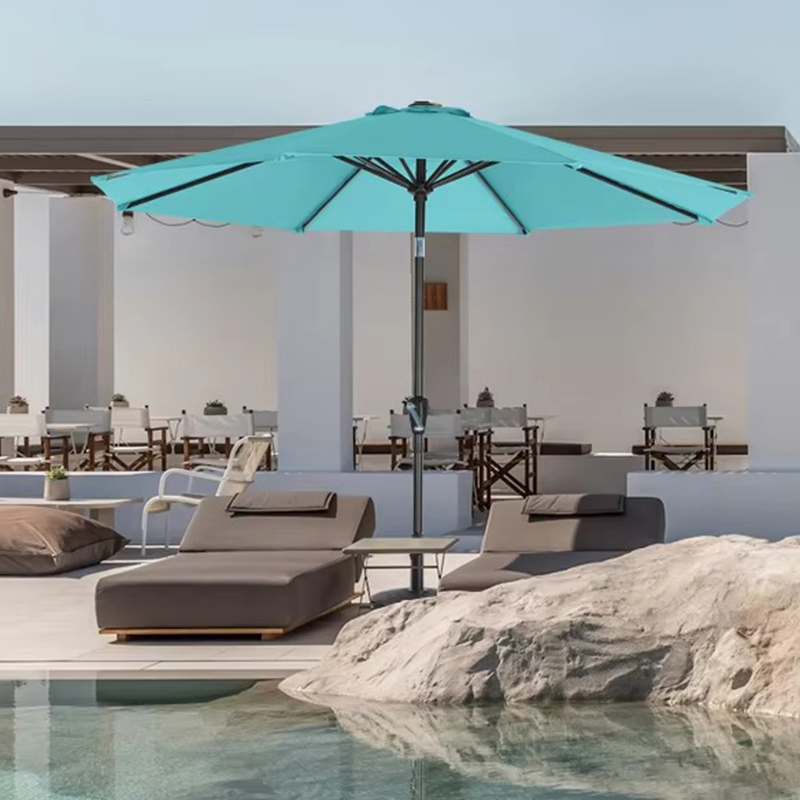 กำหนดเอง 9 ฟุต 8 ซี่โครงซัพพลายเออร์ร่มลานสวนขนาดใหญ่โรงงาน OEM / ODM Jinqiao Umbrella Co., Ltd เป็นซัพพลายเออร์ร่มลานสวนขนาดใหญ่ของจีน OEM / ODM 9 ฟุต 8 ซี่โครงและร่มสวนขนาดใหญ่ 9 ฟุต 8 ซี่โครง ดูผลิตภัณฑ์ →
 เส้นผ่านศูนย์กลางของเสาและกลไกการเปิด
เส้นผ่านศูนย์กลางของเสามีความสำคัญมากกว่าที่ผู้ซื้อส่วนใหญ่ตระหนัก เสาแบบบางประมาณ 25 มม. เป็นของร่มโต๊ะขนาดเล็กเท่านั้น ร่มสวนที่มีความสูงตั้งแต่ 8 ฟุตขึ้นไปควรใช้อย่างน้อย เสาขนาด 32 ถึง 38 มม , กnd the largest market umbrellas use 48 mm. For mechanisms, push-button tilt is simple and robust for home use; a crank lift reduces effort on large canopies; and an auto-open system is convenient for busy commercial terraces, though it adds a mechanical part that should be matched to the expected service life.
แรงต้านลม การระบายอากาศ และฐานที่ถูกต้อง
ลมเป็นตัวทำลายร่มสวนกลางแจ้งอันดับหนึ่ง การแก้ไขไม่ใช่ส่วนประกอบเดียว แต่มีสามองค์ประกอบที่ทำงานร่วมกัน ได้แก่ หลังคาที่มีช่องระบายอากาศ ฐานที่มีขนาดถูกต้อง และนิสัยในการปิดร่มเมื่อมีลมกระโชกแรง
หลังคาสองชั้นและมีช่องระบายอากาศ
กันสาดสองชั้นมีร่องเปิดระหว่างชั้นผ้าทั้งสอง ช่องเปิดนี้ช่วยให้อากาศร้อนระบายขึ้นด้านบนและให้ลมผ่านไปได้ แทนที่จะดันเข้ากับหลังคาอย่างแรง ผลลัพธ์ที่มองเห็นได้คือกระพือน้อยลง มีแรงกดต่อข้อต่อเสาน้อยลง และบริเวณด้านล่างเย็นลงอย่างเห็นได้ชัด สำหรับสวนและระเบียงที่มีพายุฝนฟ้าคะนองในฤดูร้อน หลังคาที่มีการระบายอากาศยังช่วยลดโอกาสที่ร่มจะกลับด้านอีกด้วย
เราอธิบายกลไกโดยละเอียดเพิ่มเติมใน บทความของเราเกี่ยวกับสาเหตุที่ร่มระเบียงที่มีการระบายอากาศสองชั้นจึงทำหน้าที่เป็นตัวควบคุมสภาพอากาศสำหรับพื้นที่กลางแจ้ง .
หากคุณกำลังเปรียบเทียบรุ่นการผลิต ร่มลานกันน้ำระบายอากาศสองชั้น เป็นตัวอย่างการใช้งานจริงของการออกแบบนี้ผสมผสานกับหลังคากันสาดกันน้ำสำหรับใช้ในฤดูฝน
 ซัพพลายเออร์ร่มลานกันน้ำแบบระบายอากาศสองชั้นแบบกำหนดเอง ข้อเท็จจริง OEM/ODM Jinqiao Umbrella Co., Ltd คือซัพพลายเออร์ร่มลานกันน้ำแบบระบายอากาศสองชั้น OEM / ODM ของจีนและซัพพลายเออร์ร่มระบายอากาศแบบสองชั้นแบบระบายอากาศได้ ดูผลิตภัณฑ์ →
 ฐานควรหนักแค่ไหน?
กฎน้ำหนักฐานมีความตรงไปตรงมา ร่มตั้งโต๊ะขนาด 7 ฟุตมีน้ำหนักประมาณ 16 ถึง 23 กก. (35 ถึง 50 ปอนด์) ร่มตั้งพื้นสำหรับจัดสวนขนาด 9 ถึง 10 ฟุตต้องมีน้ำหนักประมาณ 27 ถึง 41 กก. (60 ถึง 90 ปอนด์) หากร่มจะยืนอยู่คนเดียวบนระเบียงเปิดโล่งแทนที่จะวางบนโต๊ะ ให้เลือกปลายร่มที่หนักกว่า ร่มแบบออฟเซ็ตจำเป็นต้องมีมากกว่านี้เนื่องจากเสาไม่อยู่ตรงกลาง ซึ่งทำให้มีการงัดเพิ่มขึ้น
| ขนาดร่ม | น้ำหนักฐานที่แนะนำ | การใช้งานทั่วไป |
|---|---|---|
| 7–8 ฟุต | 16–23 กก. (35–50 ปอนด์) | โต๊ะบิสโทร ระเบียงเล็กๆ |
| 9–10 ฟุต | 27–41 กก. (60–90 ปอนด์) | โต๊ะหกที่นั่ง ลานบ้านแบบเปิด |
| 11 ฟุตขึ้นไป | 41–55 กก. (90–120 ปอนด์) | ชุดรับประทานอาหารขนาดใหญ่ ระเบียงเชิงพาณิชย์ |
สำหรับผู้ซื้อที่ต้องการการตั้งค่าที่พร้อมใช้งาน ร่มสวนขนาดใหญ่กันลมพร้อมฐาน ไม่ต้องเดาอีกต่อไปเพราะฐานจะตรงกับขนาดหลังคาจากโรงงาน
 ซัพพลายเออร์ที่กำหนดเองคุณภาพสูง ร่มกันลมขนาดใหญ่พร้อมร่มฐานสวน Jinqiao Umbrella Co., Ltd คือจีน OEM/ODM คุณภาพสูงร่มกันลมขนาดใหญ่พร้อมซัพพลายเออร์ร่มฐานสวนและคุณภาพสูง Win... ดูผลิตภัณฑ์ →
 เมื่อใดที่ต้องปิดร่มสวน
ตามกฎทั่วไป ให้ปิดร่มสวนแบบตั้งพื้นเมื่อมีลมพัดแรงถึงประมาณ 40 กม./ชม. แม้ว่าหลังคาจะมีการระบายอากาศและฐานจะมีน้ำหนักมากก็ตาม ช่องระบายอากาศด้านบนช่วยลดความเสี่ยง มันไม่ได้กำจัดมัน การเปิดร่มที่ปิดไว้อีกครั้งใช้เวลาห้าวินาที การซ่อมซี่โครงที่โค้งงอหรือเปลี่ยนเสาที่ร้าวนั้นใช้เวลานานกว่ามาก
จับคู่ขนาดร่มกับโต๊ะและเค้าโครงลานบ้านของคุณ
ข้อผิดพลาดเกี่ยวกับขนาดที่พบบ่อยที่สุดคือการเลือกทรงพุ่มที่เล็กเกินไป ถ้ากันสาดแคบกว่าโต๊ะ จะช่วยบังพื้นโต๊ะแต่ทำให้ทุกคนที่อยู่รอบๆ โล่ง กฎการปฏิบัติคือการเลือกกันสาดที่ยื่นออกมาอย่างน้อยที่สุด ห่างจากขอบโต๊ะทุกด้าน 60 ซม. (ประมาณ 2 ฟุต) .
| ประเภทตาราง | ขนาดโต๊ะ | หลังคาที่แนะนำ |
|---|---|---|
| บิสโทร | วงกลม 60–70 ซม | 2.0–2.2 ม. (6.5–7 ฟุต) |
| รอบสี่ที่นั่ง | วงกลม 90–110 ซม | 2.4–2.6 ม. (8–8.5 ฟุต) |
| ทรงสี่เหลี่ยมหกที่นั่ง | ยาว 160–180 ซม | 2.7–3.0 ม. (9–10 ฟุต) |
| แปดที่นั่งทรงแปดเหลี่ยม | 200 ซม. ขึ้นไป | 3.0 ม. (11 ฟุต) หรือออฟเซ็ต |
หลังคาทรงกลมกับหลังคาออฟเซ็ต
ร่มเสากลางทรงกลมเป็นทางเลือกที่มีประสิทธิภาพที่สุดสำหรับโต๊ะมาตรฐาน เนื่องจากหลังคาสามารถเอียงตามดวงอาทิตย์ได้ ร่มแบบเยื้องศูนย์หรือแบบยื่นออกมาเป็นเครื่องมือที่เหมาะสมเมื่อคุณต้องการบังบริเวณเลานจ์ มุมเด็กเล่น หรือม้านั่งยาวโดยไม่มีเสากลางขวางทาง ข้อเสียคือความเครียด: การออกแบบออฟเซ็ตทำให้เสาและฐานรับน้ำหนักมากขึ้น ดังนั้นจึงต้องการฐานที่หนักที่สุดในคู่มือนี้
ก่อนที่จะเลือก ควรทำความเข้าใจว่ารูปร่างของทรงพุ่มเปลี่ยนแปลงไปอย่างไรในบริเวณที่มีเงาตกกระทบ นี้ ผู้อธิบายว่ารูปทรงทรงพุ่มส่งผลต่อปริมาณร่มเงาที่มอบให้อย่างไร ถือเป็นจุดเริ่มต้นที่ดี
การบำรุงรักษาร่มในสวน: กิจวัตรปฏิบัติ
ร่มสวนจะมีอายุการใช้งานหลายปีหากคุณปฏิบัติตามกิจวัตรง่ายๆ ประจำสัปดาห์ งานทั้งหมดด้านล่างนี้ใช้เวลาประมาณสิบนาทีและไม่ต้องใช้เครื่องมือพิเศษ แต่จะช่วยป้องกันไม่ให้ร่มเสียหายส่วนใหญ่ที่เราเห็นหลังจากซีซันแรก
- ปิดร่มในช่วงที่มีลมแรงและค้างคืนบนระเบียงที่เปิดโล่ง
- หลังฝนตก ปล่อยให้กันสาดแห้งก่อนปิด เพื่อไม่ให้ความชื้นอยู่ระหว่างรอยพับ
- ทำความสะอาดทรงพุ่มสองหรือสามครั้งต่อฤดูกาลด้วยน้ำสบู่อ่อนๆ และแปรงขนนุ่ม หลีกเลี่ยงสารฟอกขาวและผงซักฟอกที่มีฤทธิ์รุนแรง
- ใช้สเปรย์กันน้ำอีกครั้งก่อนฤดูฝนหากหลังคาของคุณเป็นโพลีเอสเตอร์มากกว่าอะคริลิก
- เช็ดเสาอะลูมิเนียมอโนไดซ์ด้วยผ้าชุบน้ำหมาด และปรับสภาพเสาไม้เนื้อแข็งด้วยน้ำมันไม้ภายนอกปีละครั้ง
- ตรวจสอบโครง บานพับ และข้อต่อเอียงเพื่อหาสนิม รอยแตก หรือสกรูที่หลวมเมื่อเริ่มต้นแต่ละฤดูกาล
อย่าลืมฐานนะครับ เก็บร่มให้ปราศจากทรายและเศษขยะ ขันสลักเกลียวให้แน่นก่อนฤดูร้อน และเก็บร่มทั้งใบไว้ในร่มหากพื้นที่ของคุณมีลมแรงหรือหิมะตกหนักเป็นเวลานาน
ร่มสวนสั่งทำสำหรับธุรกิจ ร้านอาหาร และรีสอร์ท
ผู้ซื้อเชิงพาณิชย์มักไม่ค่อยมองหารายการแคตตาล็อกทั่วไป ระเบียงร้านอาหารต้องการสีหลังคาที่เข้ากับส่วนหน้าของอาคารและร่มที่จะคงความตึงหลังจากเปิดหลายร้อยครั้งในฤดูร้อน รีสอร์ทต้องการชุดร่มที่มีโลโก้สะอาดพิมพ์อยู่บนหลังคา ศูนย์จัดสวนหรือผู้นำเข้าต้องการคุณภาพที่สม่ำเสมอสำหรับการสั่งซื้อซ้ำและตามฤดูกาล
นี่คือจุดที่การผลิต OEM และ ODM มีความสำคัญ Shaoxing Jinqiao Umbrella ผู้ผลิตร่ม OEM/ODM ก่อตั้งขึ้นในปี 2004 ผลิตร่มสวนตามข้อกำหนดของผู้ซื้อ แทนที่จะขอให้ผู้ซื้อปรับให้เข้ากับช่วงที่กำหนด กลุ่มผลิตภัณฑ์ครอบคลุมร่มชายหาด ร่มสนาม และม่านบังแดดกลางแจ้งที่เกี่ยวข้อง โดยมีผลิตภัณฑ์ที่พัฒนาแล้วมากกว่า 100 รูปแบบ เนื่องจากบริษัทส่งออกไปยังยุโรป อเมริกาเหนือ ออสเตรเลีย และเอเชียตะวันออกเฉียงใต้ ประสบการณ์ด้านการผลิตและบรรจุภัณฑ์ของบริษัทจึงสอดคล้องกับความคาดหวังด้านการค้าปลีกและโลจิสติกส์ระหว่างประเทศ
ตัวเลือกการปรับแต่งทั่วไปในโปรเจ็กต์ ODM ประกอบด้วย:
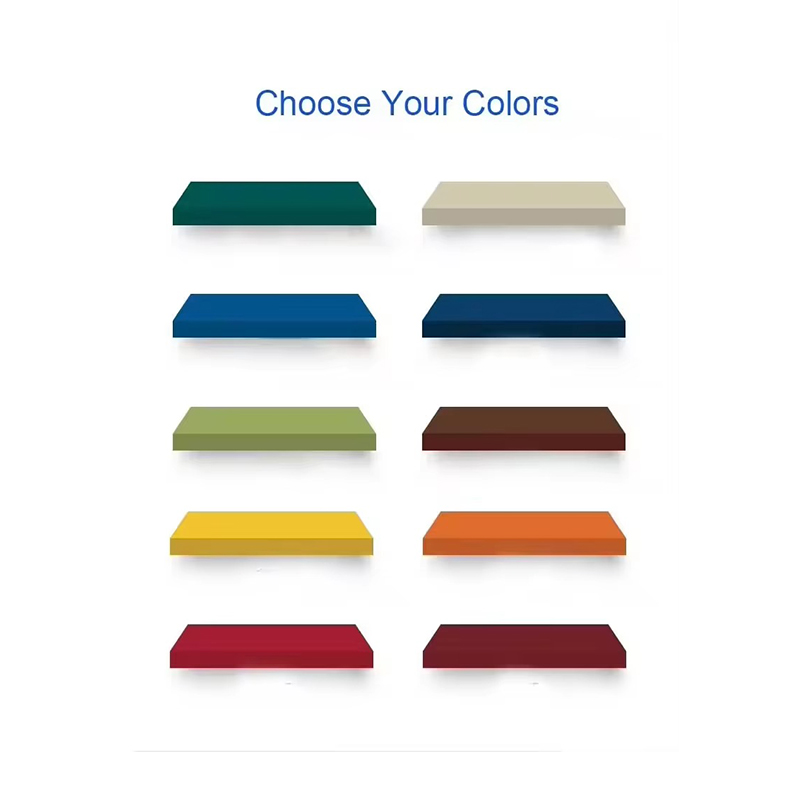
- สีหลังคาแบบกำหนดเองและตัวเลือกระหว่างผ้าใบโพลีเอสเตอร์และอะคริลิก
- พิมพ์โลโก้บนแผงกลาง ม่านแขวน หรือทั้งสองอย่าง
- วัสดุและพื้นผิวเสา: อะลูมิเนียมอโนไดซ์ อะลูมิเนียมทาสี หรือไม้เนื้อแข็ง
- จำนวนสันและขนาดทรงพุ่มตั้งแต่ประมาณ 2.0 ม. ถึง 3.5 ม
- ฐานรอง ฝาครอบป้องกัน และการพิมพ์กล่องฉลากส่วนตัว
ขั้นตอนการทำงานไม่ซับซ้อน: เริ่มต้นด้วยแบบจำลองพื้นฐาน ระบุขนาดหลังคา ผ้า เสา และกลไก อนุมัติตัวอย่างที่พิมพ์ จากนั้นยืนยันคำสั่งซื้อจำนวนมาก กระบวนการดังกล่าวทำให้การเติมสินค้าตามฤดูกาลมีความสม่ำเสมอตั้งแต่หนึ่งปีถึงปีถัดไป ซึ่งเป็นสิ่งที่ผู้ซื้อเชิงพาณิชย์ต้องการอย่างแท้จริงเมื่อสั่งซื้อการตั้งค่าระเบียงเดียวกันใหม่
คำถามที่พบบ่อยเกี่ยวกับร่มสวนกลางแจ้ง
ฉันต้องใช้ร่มสวนกลางแจ้งขนาดใดสำหรับโต๊ะหกที่นั่ง
โต๊ะสี่เหลี่ยมผืนผ้า 6 ที่นั่ง โดยทั่วไปจะมีความยาว 160 ถึง 180 ซม. เหมาะกับหลังคาสูง 2.7 ถึง 3.0 ม. (9 ถึง 10 ฟุต) วัดขนาดโต๊ะ เพิ่มด้านละประมาณ 60 ซม. สำหรับคนรอบข้าง และเลือกขนาดร่มถัดไปที่มีให้อยู่เหนือตัวเลขนั้น
ร่มสวนแบบมีรูระบายอากาศหรือแบบสองชั้นคุ้มค่ากับค่าใช้จ่ายเพิ่มเติมหรือไม่?
ใช่ โดยเฉพาะในบริเวณที่มีลมแรงหรือสถานที่ที่มีฤดูร้อนที่ร้อนจัด ช่องระบายอากาศช่วยให้อากาศร้อนลอยออกมาและลดแรงกดดันที่ลมกระทบบนหลังคา ผลลัพธ์ที่ได้คือร่มที่มั่นคงยิ่งขึ้นและบริเวณที่นั่งที่เย็นลงอย่างเห็นได้ชัด ข้อเสียเปรียบเพียงอย่างเดียวคือราคาที่สูงกว่าเล็กน้อยเมื่อเทียบกับหลังคาชั้นเดียวที่เป็นของแข็ง
ร่มสวนกลางแจ้งสามารถรับลมได้มากแค่ไหน?
ด้วยฐานที่ถูกต้อง ร่มสวนส่วนใหญ่จะรับลมได้เล็กน้อยถึงปานกลางโดยไม่มีปัญหา หลักการทั่วไปคือการปิดร่มเมื่อมีลมพัดแรงถึงประมาณ 40 กม./ชม. หลังคาที่มีช่องระบายอากาศให้ความมั่นคงเป็นพิเศษ แต่ไม่ได้เปลี่ยนร่มให้เป็นโครงสร้างฤดูหนาวถาวร
อลูมิเนียมหรือไม้ดีกว่าสำหรับเสาร่มสวนหรือไม่?
อะลูมิเนียมเป็นค่าเริ่มต้นที่ดีกว่าสำหรับการใช้งานที่ต้องบำรุงรักษาต่ำ โดยเฉพาะอย่างยิ่งใกล้สระน้ำและบริเวณชายฝั่ง เนื่องจากไม่เป็นสนิมและไม่ต้องการการรักษาพื้นผิว ไม้จะดูดั้งเดิมกว่าและมีโครงสร้างที่แข็งแรงเมื่อไม้แห้งและตกแต่งอย่างเหมาะสม แต่จำเป็นต้องทาน้ำมันเป็นประจำทุกปีและเก็บรักษาในฤดูหนาวในสภาพอากาศที่รุนแรง
ฉันจะป้องกันไม่ให้ร่มในสวนซีดจางได้อย่างไร
เลือกกันสาดอะคริลิกย้อมสีถ้าคุณกังวลเรื่องสีซีดจางเป็นหลัก และปิดร่มเมื่อไม่ได้ใช้งาน การใช้สเปรย์กันน้ำอีกครั้งจะช่วยปกป้องพื้นผิวด้านนอกและชะลอการเสื่อมสภาพของผ้า สำหรับหลังคาโพลีเอสเตอร์ที่ไม่มีผ้าปิดบัง อาจมองเห็นสีซีดจางได้หลังจากตากแดดติดต่อกันสองสามฤดูกาล
ฉันสามารถสั่งร่มสวนที่มีโลโก้ของตัวเองสำหรับร้านอาหารได้หรือไม่
ใช่. ผู้ผลิตร่มสนามส่วนใหญ่เสนอบริการ OEM และ ODM ซึ่งรวมถึงผ้ากันสาดแบบกำหนดเอง โลโก้ที่พิมพ์ การเคลือบเสา และบรรจุภัณฑ์ ตัวอย่างงานพิมพ์จะได้รับการยืนยันก่อนการสั่งซื้อจำนวนมาก ดังนั้นคุณสามารถตรวจสอบขนาดโลโก้ ความถูกต้องของสี และรูปทรงหลังคาได้ก่อนดำเนินการผลิต
ร่มสวนกลางแจ้งบังแสงแดดเพียงพอสำหรับผิวแพ้ง่ายหรือไม่?
หลังคาที่ได้รับการจัดอันดับ UPF 50 ปิดกั้นรังสียูวีได้ประมาณ 98 เปอร์เซ็นต์ และเพียงพอสำหรับการรับประทานอาหารกลางแจ้งตามปกติ ไม่มีหลังคาบังแสงสะท้อนแสงจากพื้นดินหรือเมฆ ดังนั้นเพื่อให้ได้รับแสงแดดเป็นเวลานาน ให้รวมร่มเข้ากับครีมกันแดดแทนการใช้ร่มเงาเพียงอย่างเดียว
บรรทัดล่าง
ซื้อผ้ากันสาดที่ดีที่สุดที่คุณสามารถซื้อได้ เลือกใช้โครงอย่างน้อย 8 ซี่และเสาอะลูมิเนียมหรือไม้เนื้อแข็งที่มีขนาดเหมาะสม เพิ่มหลังคาที่มีการระบายอากาศในบริเวณที่มีลมพัดผ่าน และจับคู่ฐานกับหลังคามากกว่าราคาของร่ม ทำเช่นนั้น ร่มสวนก็จะเลิกเป็นสิ่งของที่ใช้แล้วทิ้งตามฤดูกาลและกลายเป็นเฟอร์นิเจอร์กลางแจ้งที่เชื่อถือได้ซึ่งมีไว้สำหรับใช้ในช่วงฤดูร้อนหลายๆ ครั้ง
เริ่มเปรียบเทียบกับกันสาดเพราะได้รับแสงแดดมากที่สุด จากนั้นจึงทำงานผ่านโครง พฤติกรรมลม และฐาน คำสั่งซื้อดังกล่าวอาจดูเรียบง่าย แต่เป็นคำสั่งซื้อเดียวกันกับที่ผู้ซื้อเชิงพาณิชย์ ผู้นำเข้า และผู้ประกอบการด้านการต้อนรับใช้เมื่อสร้างระเบียงที่ต้องดูดีและปลอดภัยเป็นเวลาหลายปี
ผลิตภัณฑ์ที่แนะนำ
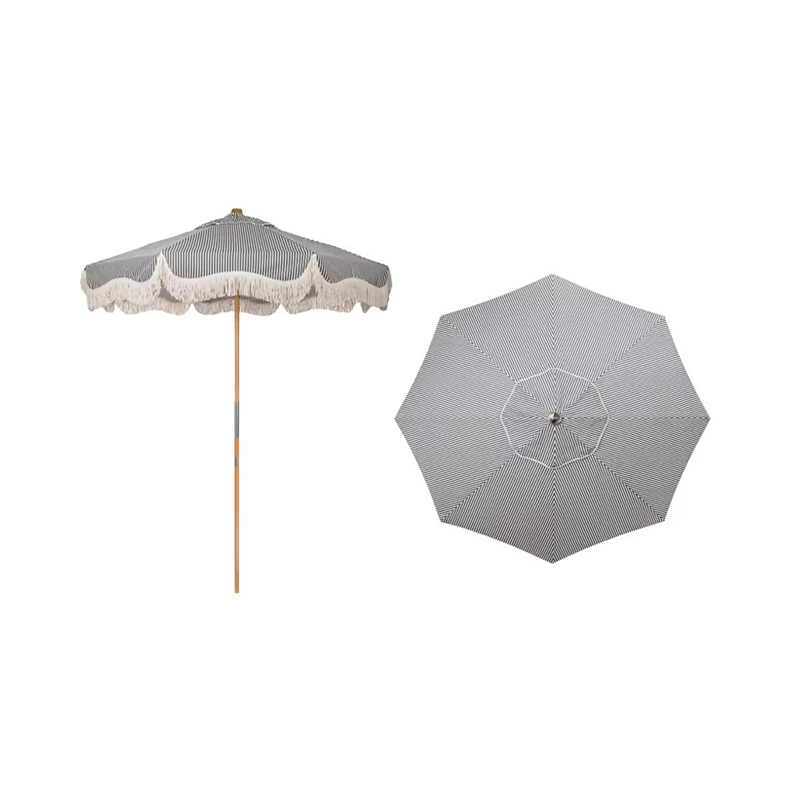
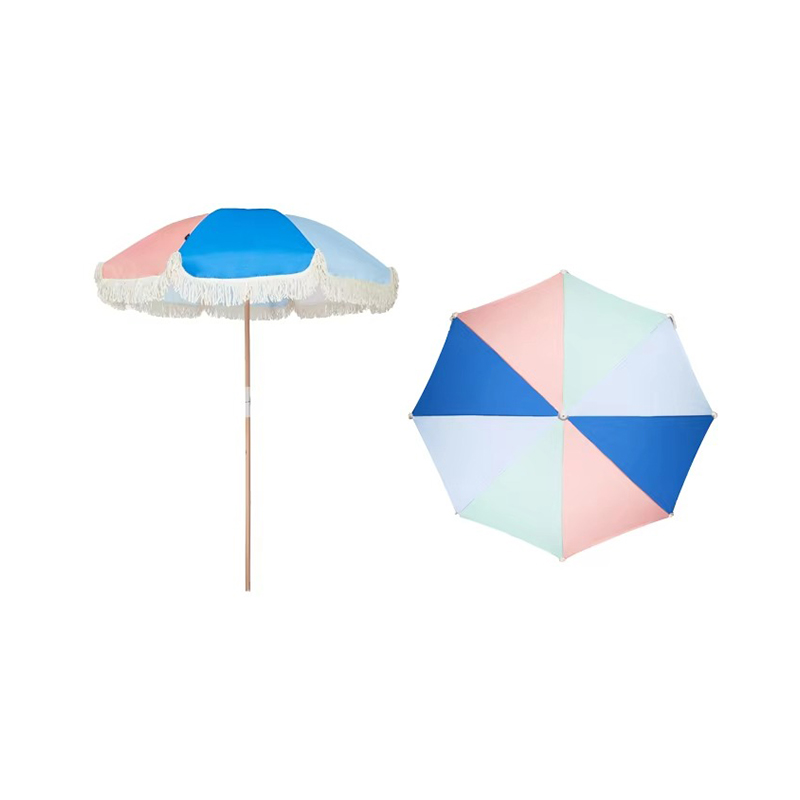
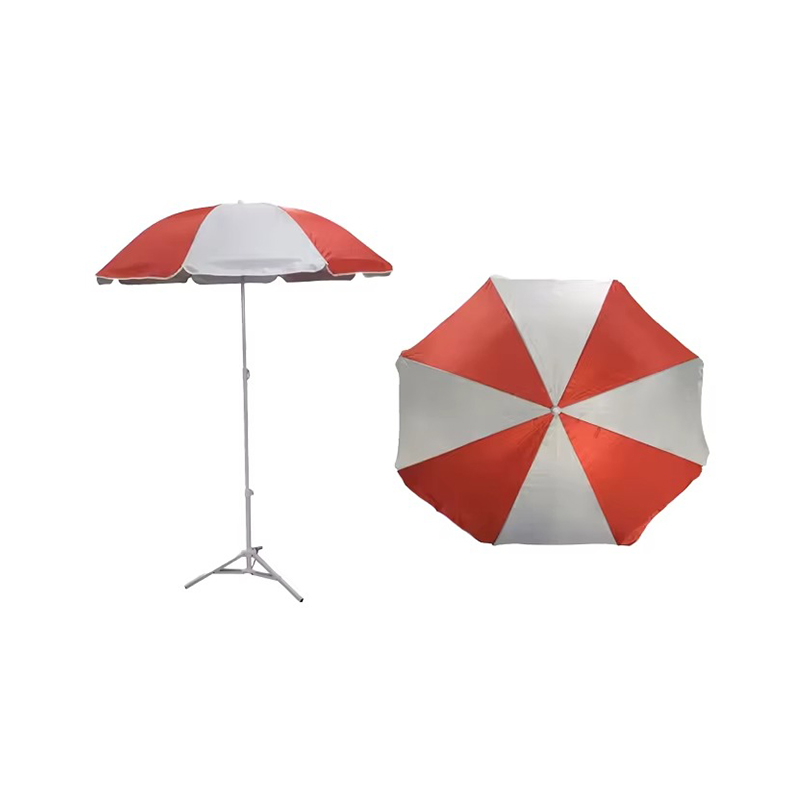
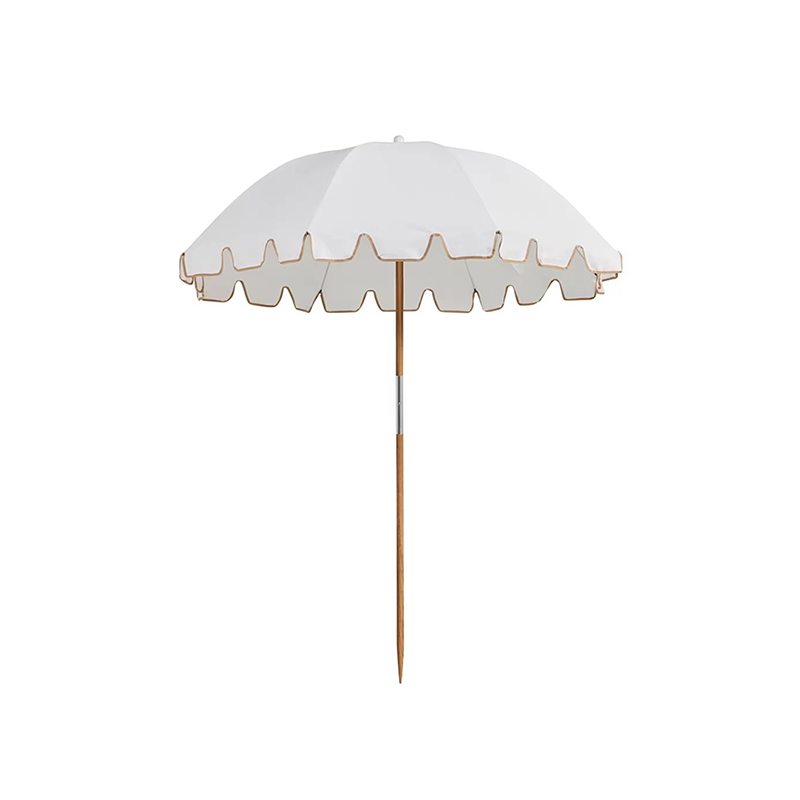
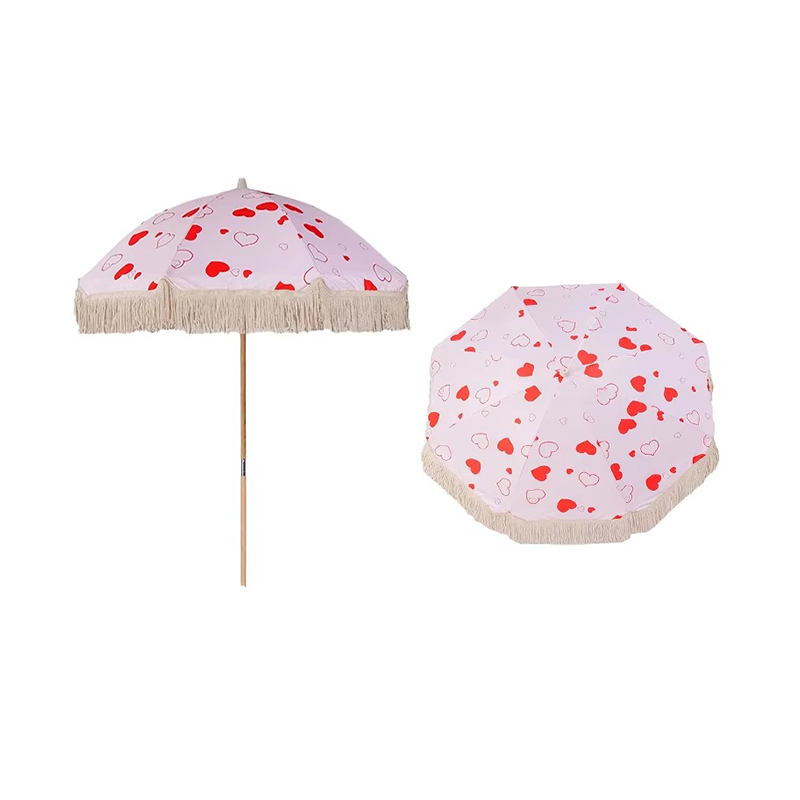
ติดต่อเราตอนนี้
ลิขสิทธิ์ 2024 @ Shaoxing Jinqiao Umbrella Co. , Ltd. สงวนลิขสิทธิ์ทุกประการ.
